Choosing the Right Commercial Induction Cooker
Running a busy kitchen requires appliances that are efficient, reliable, and easy to use. Choosing the right cooking equipment can significantly improve productivity, safety, and energy costs. Among modern options, the commercial induction cooker has emerged as a popular choice for restaurants, cafes, and catering businesses across Australia. Its speed, precision, and safety features have made it a game-changer in commercial kitchens.
Understanding How Induction Cooking Works
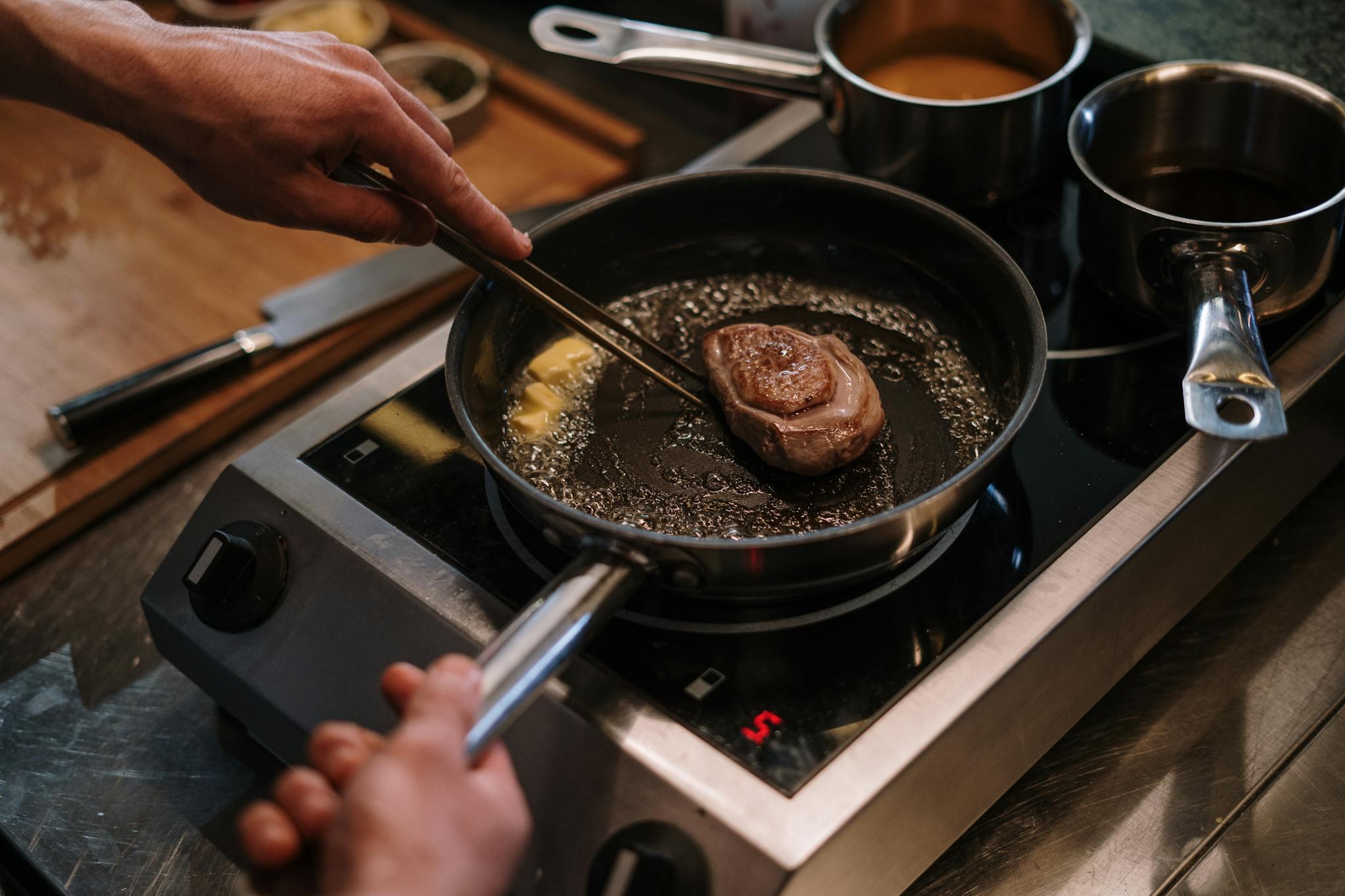
Unlike traditional gas or electric cooktops, a commercial induction cooker uses electromagnetic energy to directly heat the cookware. This method allows for near-instant heat, precise temperature control, and rapid adjustments during cooking. Because the heat is generated within the pan itself, the cooker's surface remains relatively cool, reducing the risk of burns and making the kitchen safer for staff. Understanding this technology is essential before investing, as it differs significantly from conventional cooking methods.
Key Benefits of a Commercial Induction Cooker
One of the main advantages of a commercial induction cooker is energy efficiency. By transferring heat directly to the pan, energy is not wasted on heating the surrounding air or the cooktop surface. This can lead to lower electricity bills over time, particularly in busy kitchens that operate for long hours. Induction cooking also provides faster cooking times, improving workflow and allowing chefs to serve meals more quickly during peak periods.
Another benefit is precise temperature control. Whether simmering delicate sauces or rapidly searing meats, chefs can adjust the heat instantly, ensuring consistent results. Additionally, because the surface stays cooler than on a gas or traditional electric stove, spills are easier to clean, helping maintain hygiene standards in a commercial kitchen.
Considerations Before Buying
Before purchasing a commercial induction cooker, it’s important to evaluate a few factors. First, consider the size and power requirements. Kitchens with limited space may need single or double-unit induction cookers, while high-volume operations might require multi-zone or modular units. Checking the electrical specifications is critical, as induction cookers typically require dedicated circuits to safely handle high-power loads.
Cookware compatibility is another consideration. Induction technology only works with ferromagnetic materials, such as cast iron or stainless steel, and requires magnetic bases. Restaurants may need to invest in suitable pans if their current inventory isn’t compatible.
Durability and build quality should also influence your decision. Commercial kitchens demand appliances that can withstand daily heavy use, so opting for a robust, professional-grade unit is advisable. Look for features such as digital controls, automatic shut-off, and safety locks, which enhance both usability and kitchen safety.
Making the Right Choice
Selecting the right commercial induction cooker involves balancing performance, cost, and practicality. Researching different models, reading reviews from other commercial kitchens, and considering your specific cooking needs will help you make an informed decision. Investing in the right unit can improve kitchen efficiency, reduce energy costs, and provide a safer cooking environment for your staff.
By understanding how induction cooking works, recognising the benefits, and evaluating essential factors before buying, you can confidently choose a commercial induction cooker that meets the demands of your business and ensures long-term satisfaction.
Post a comment